Want to attend the course but can’t make it on this date?
Fill in your details below and we’ll notify you when we next present a course in this area:
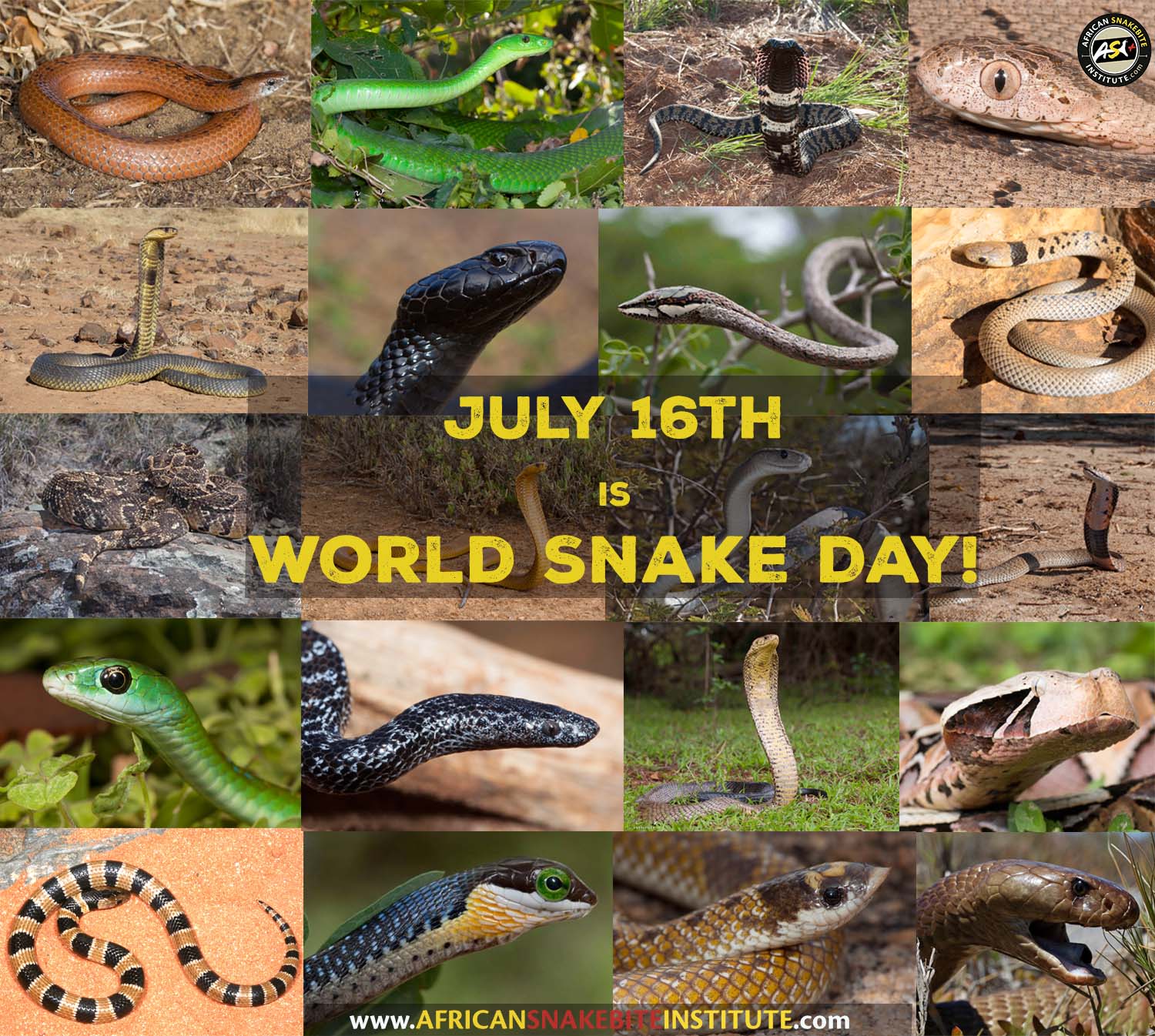
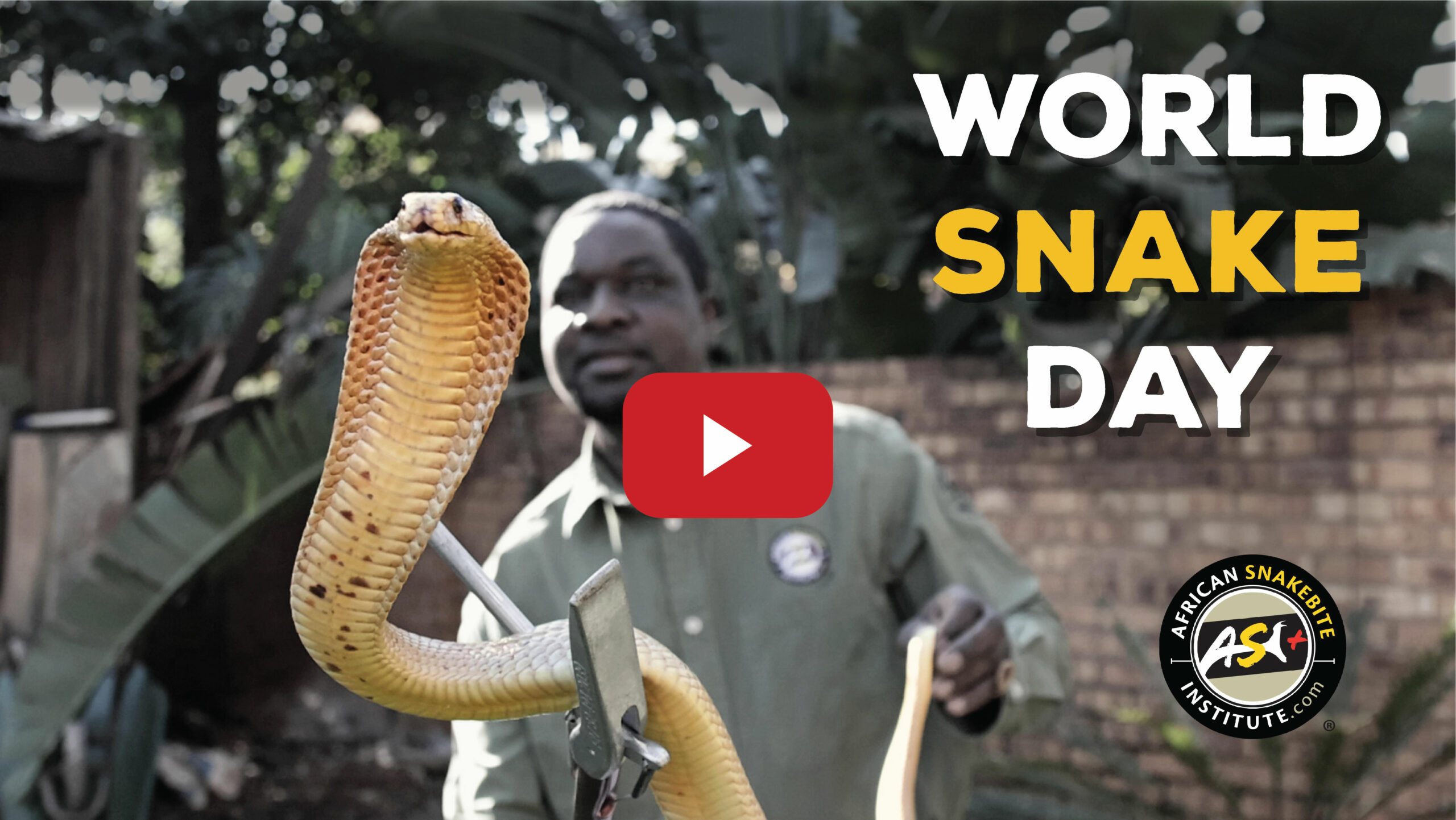
The 16th of July is marked as World Snake Day and is a created day to raise awareness and understanding of these misunderstood animals. There are currently over 4,000 species of snakes around the world. In Africa, we have a huge diversity of snakes, with over 600 species found on the continent. As much of Africa is still relatively wild and untouched, it is expected that we will still see several new species described in the coming years. Countries like Angola, that have previously been plagued by civil war, are now being explored by researchers and scientists, and several new reptiles and amphibians have been described in the last ten years, including a variety of new House Snakes (Boaedon spp.).
We have vastly improved our understanding of snake distribution across Africa with citizen science projects such as iNaturalist, allowing the public to upload records of snakes and their location to a well-managed database. There is also growing interest in research on African snakes, and more students are pursuing this field of science.
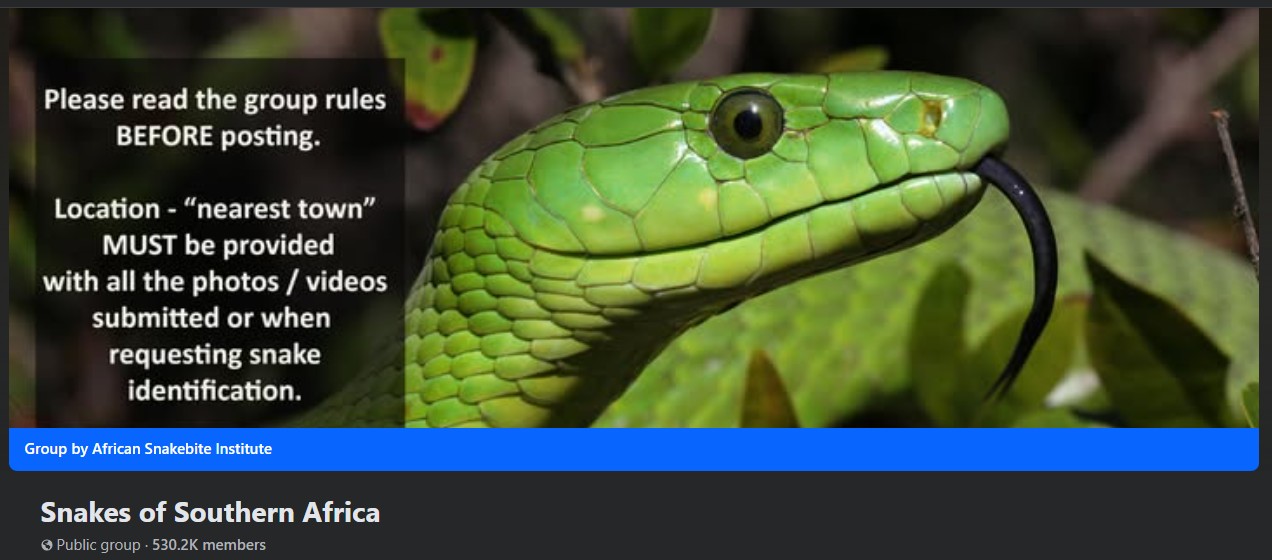
Social media has been an impressive tool to raise snake awareness and effectively conserve them. Over 500,000 people have joined our educational Facebook page, Snakes of southern Africa, and by learning and understanding more about snakes, the fear barrier is slowly broken down. Hopefully, fewer snakes are persecuted due to this.
Snakes play an important role in our ecosystem, as both predator and prey. As predators, they control a variety of pest animals, such as rodents, and can reduce economic loss to farmers by reducing crop damage from rats and mice. Snakes create a balance within the ecosystem. As prey, they are consumed by several animals, from birds of prey to carnivorous mammals, and for some species, like snake eagles and Secretary birds, snakes form a large part of their diet.
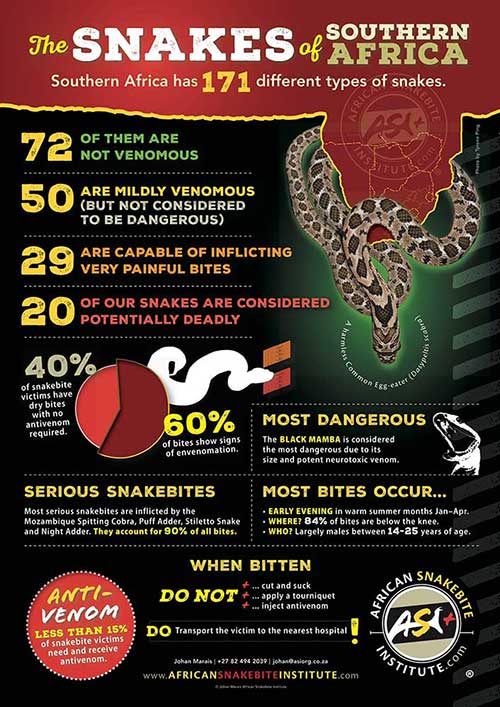
Most snakes are shy and not aggressive, and bites are usually accidental when a person stands on a snake or unknowingly threatens a snake, which then defends itself. Bites are treated well in a medical facility, and deaths are not common if proper medical treatment is followed. Most deaths are in rural areas and often because of untested homemade remedies that do not treat the symptoms. Venom costs a lot of energy for the snake to create and is designed to immobilise prey. Bites to humans are a waste of the snakes’ venom. Snakes generally try and avoid humans and want to be left alone.
This World Snake Day, let’s replace fear with respect. Learn, understand, and protect these incredible animals.
 Rangers Book Combo 2
Original price was: R2,080.00.R1,870.00Current price is: R1,870.00.
Rangers Book Combo 2
Original price was: R2,080.00.R1,870.00Current price is: R1,870.00.
 ASI Combo C
R1,680.00
ASI Combo C
R1,680.00
 Rangers Book Combo 1
Original price was: R1,450.00.R1,305.00Current price is: R1,305.00.
Rangers Book Combo 1
Original price was: R1,450.00.R1,305.00Current price is: R1,305.00.