Want to attend the course but can’t make it on this date?
Fill in your details below and we’ll notify you when we next present a course in this area:
Do Snakes Change Colour When They Die?
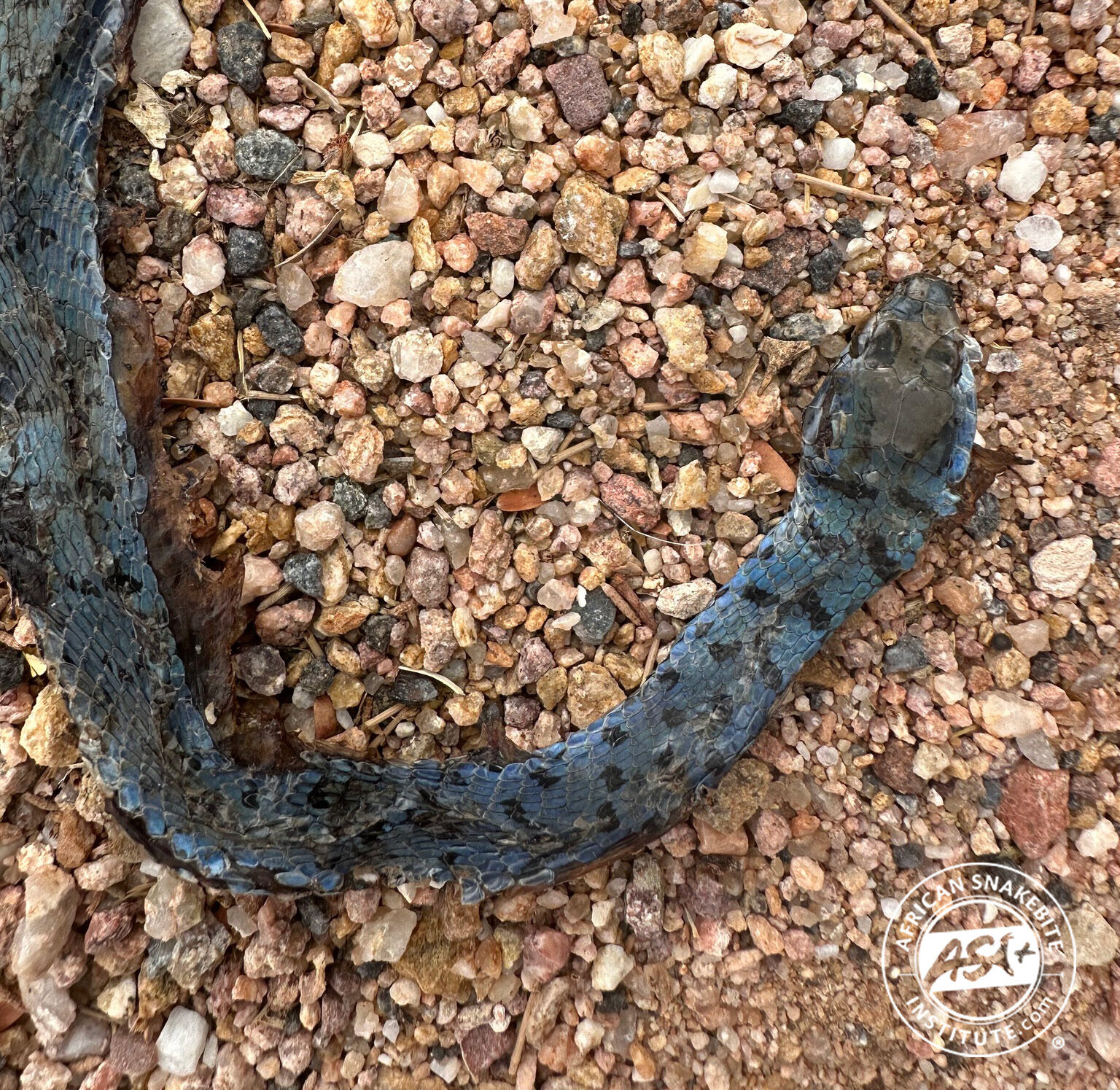
Snakes, like many other reptiles, undergo various physiological changes after death. One of the most noticeable changes is a shift in their colouration. While snakes do not “change colour” in the way that chameleons or cuttlefish do, their appearance can alter significantly after death, due to several biological and environmental factors.
Why Do Snakes Appear to Change Colour After Death?
Do All Snakes Experience This Change?
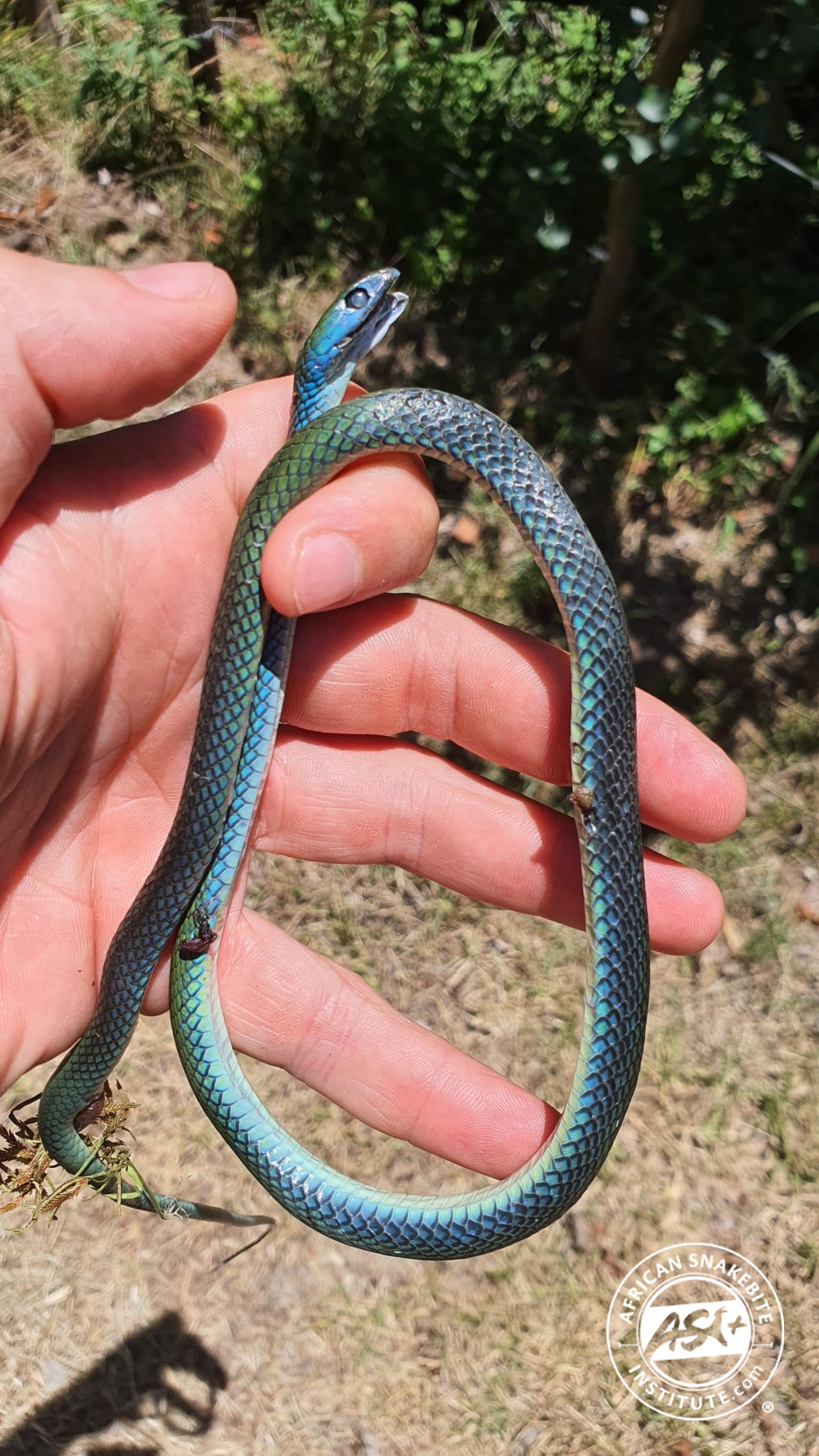
Yes, most snakes will show some degree of colour change after death, though the extent varies by species, environmental conditions, and the snake’s initial colouration. Brightly coloured snakes, like coral snakes or Bush Snakes, may show more noticeable fading, whereas darker species may simply become duller. Museum specimens frequently become bleached out after a number of years in preservation.
Conclusion
While most snakes do not actively change colour after death, their appearance can shift due to physiological and environmental factors. The combination of blood circulation loss, dehydration, decomposition, and oxidation can make a dead snake look significantly different from its living state. This natural process is similar to what happens with other animals, but is particularly noticeable in reptiles due to their unique skin structure.
 ASI First Aid for Snakebite Booklet
R40.00
ASI First Aid for Snakebite Booklet
R40.00
 ASI Collapsible Snake Hook - 1.2 m
R650.00
ASI Collapsible Snake Hook - 1.2 m
R650.00
 ASI Lite Combo 3
R1,575.00
ASI Lite Combo 3
R1,575.00